
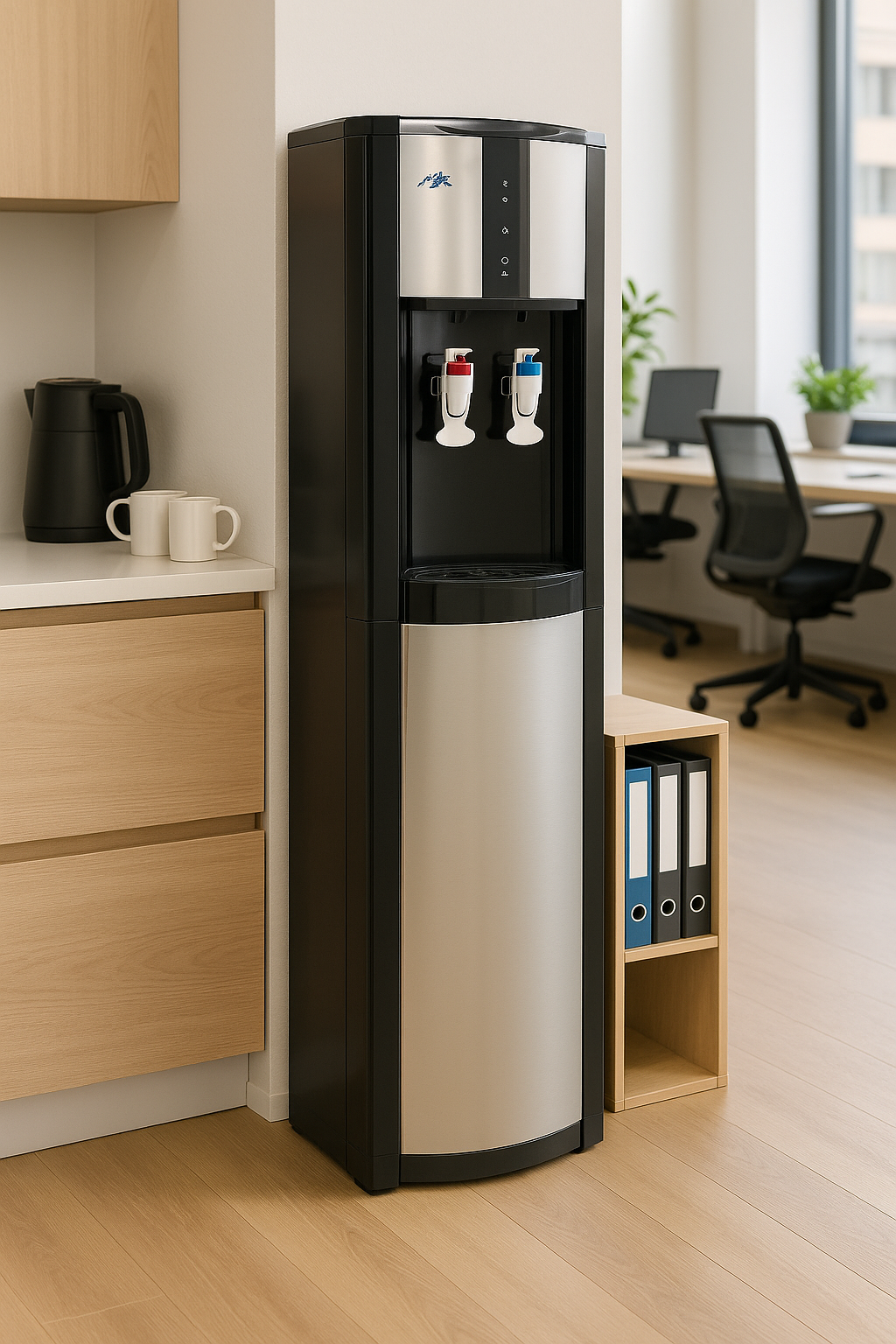
Feedback from Southeast Asian Educational Institutions on Bulk Purchasing Water Dispensers: Leading the Shift from Bottled Water to Environmental Protection, Cost Reduction, and Health Assurance
In recent years, Southeast Asian educational institutions have experienced significant changes in their operational and environmental practices. One remarkable trend is the large-scale shift from traditional bottled water consumption to the adoption of advanced water dispensers. This evolution is driven by a strong desire to promote environmental sustainability, reduce operational costs, and safeguard the health of students and staff alike. As feedback pours in from schools and universities across the region, it becomes clear that water dispensers—especially those utilizing R134a hot and cold compressor cooling water dispenser technology—are reshaping hydration habits on campuses.
1. Environmental Motivation: Reducing Plastic Waste
The most prominent feedback from educational institutions centers on environmental responsibility. Bottled water, while convenient, generates a massive volume of single-use plastic waste that poses a severe challenge to local waste management systems. By switching to R134a hot and cold compressor cooling water dispenser units, schools are drastically cutting down their plastic footprint.
Administrators report that the transition has led to a marked reduction in plastic bottle usage. “We used to discard thousands of bottles every semester,” says a sustainability coordinator at a leading university in Malaysia. “Now, our students simply refill their reusable bottles from strategically placed dispensers. The impact is visible not just in our campus cleanliness, but also in our annual waste audits.”
Many institutions have launched educational campaigns alongside the installation of dispensers to foster awareness about the environmental impact of single-use plastics. Feedback indicates that students are quickly adapting, with many embracing the change and feeling proud to contribute to campus sustainability goals.
2. Cost Reduction: Saving Operational Budgets
Another major factor influencing the adoption of R134a hot and cold compressor cooling water dispenser systems is the significant reduction in water procurement and management costs. Previously, educational institutions faced the recurring expenses of bottled water purchases, delivery logistics, and storage management. These costs add up, especially for large campuses or those situated in remote regions where bottled water comes at a premium.
By investing in reliable water dispensers, schools now only pay for filtered tap water and the occasional maintenance of their equipment. “Our annual savings have exceeded expectations,” shares the financial director of a private international school in Thailand. “What we used to spend on bottled water now goes into facility upgrades, extracurricular programs, and even scholarships.”
Furthermore, with the R134a hot and cold compressor cooling water dispenser, energy efficiency has improved. Feedback highlights that the advanced compressor technology ensures optimal cooling and heating with minimal energy consumption, making it a smart investment for cost-conscious educational institutions.
3. Health Benefits: Promoting Safe and Accessible Drinking Water
Health and safety are paramount concerns for any educational setting. Bottled water, while generally considered safe, is not immune to contamination during storage and transportation. Institutions report that the R134a hot and cold compressor cooling water dispenser offers enhanced water quality through integrated filtration systems and temperature control, reducing risks of microbial growth.
The ability to provide both hot and cold water encourages healthy hydration habits among students and staff. “Having easy access to cold water during hot afternoons or hot water for tea in the mornings has improved overall hydration and comfort on campus,” notes a teacher at a Vietnamese high school. Routine feedback from parents and students emphasizes satisfaction with the quality and taste of the water provided by these dispensers.
Additionally, institutions appreciate the convenience of touchless or easy-to-operate dispenser designs—especially important during times of heightened health awareness, such as the recent global pandemic.
4. Social Impact: Community Building and Responsibility
Schools also report that the adoption of water dispensers has fostered a stronger sense of community and responsibility among students. Eco-friendly initiatives such as “Bring Your Own Bottle” campaigns or hydration challenges have become common, sparking friendly competitions and collective engagement in sustainability efforts.
Feedback from student councils and parent associations points to increased awareness about global environmental challenges, with water dispenser installations often serving as a springboard for broader environmental education initiatives. Institutions have also found new opportunities to collaborate with local governments and NGOs on water conservation projects.
5. Implementation: Best Practices and Challenges
While the benefits are clear, the transition to water dispensers is not without its challenges. Some institutions faced initial skepticism from students used to the convenience of bottled water. However, effective communication, hands-on demonstrations, and incentives such as branded reusable bottles helped ease the shift.
Administrators advise other institutions considering the switch to carefully assess dispenser placement, maintenance schedules, and water source quality. The consensus is that choosing high-quality, reliable models—such as those featuring R134a hot and cold compressor cooling water dispenser technology—ensures long-term satisfaction and performance.
6. The Future: Scaling Impact Across the Region
The positive feedback from early adopters is inspiring more schools and universities across Southeast Asia to follow suit. Governments and education ministries are starting to include water dispenser procurement in green campus initiatives, setting ambitious targets for reducing single-use plastics and promoting public health.
With continued innovation in dispenser technology and broader support from stakeholders, the movement toward sustainable, cost-effective hydration is poised to accelerate. The shared experiences of Southeast Asian educational institutions illustrate how a simple infrastructure change can have far-reaching impacts on the environment, budgets, and community well-being.
SEO Product, Service, and Audience Terms (40 groups for SEO optimization and content linkage):
1. Bulk water dispenser procurement
2. School hydration solutions
3. Eco-friendly campus initiatives
4. R134a hot and cold compressor cooling water dispenser
5. Sustainable water station installation
6. Cost-effective drinking water system
7. Educational facility equipment
8. Plastic-free school campaign
9. Safe drinking water for students
10. Campus green technology
11. Energy-saving water dispensers
12. Hot and cold water supply for schools
13. Modern hydration solutions
14. Student health programs
15. Bottleless water systems
16. Institutional water filtration
17. Southeast Asia education sector
18. Healthy campus lifestyle
19. Maintenance-free water dispensers
20. University sustainability efforts
21. Child-safe water dispenser
22. Classroom hydration support
23. School facility management
24. Green procurement for schools
25. Purified water for education
26. Touchless water dispenser
27. Environmentally friendly drinking
28. Academic wellness initiatives
29. School eco-awareness
30. Hot and cold compressor water cooler
31. Hygienic water dispensing unit
32. Large-scale dispenser installation
33. Water conservation in schools
34. Student eco-leadership
35. Drinking water station
36. Affordable school equipment
37. Faculty hydration program
38. Reusable water bottle promotion
39. Bottled water alternatives
40. Institutional cost reduction
SEO Keywords (selected from above 40 groups):
Bulk water dispenser procurement, R134a hot and cold compressor cooling water dispenser, Eco-friendly campus initiatives, Safe drinking water for students, Cost-effective drinking water system, Plastic-free school campaign
SEO Description (200+ words):
This article examines the trend among Southeast Asian educational institutions to replace bottled water with advanced water dispensers, specifically those equipped with R134a hot and cold compressor cooling water dispenser technology. The feedback highlights significant environmental, financial, and health benefits, as well as social impact and best practices for successful implementation. Schools report reduced plastic waste, lower operating costs, and improved student health and engagement. This strategic shift aligns with global sustainability goals and is fostering a culture of responsibility within educational communities. For any school or university looking to protect the environment, cut costs, and promote well-being, water dispenser adoption stands out as a powerful, practical solution.
Article Summary (50+ words):
Southeast Asian educational institutions are leading the way in sustainability by replacing bottled water with R134a hot and cold compressor cooling water dispensers. This shift is reducing plastic waste, saving operational costs, and improving health and well-being for students and staff. Positive feedback and community engagement suggest this trend will continue to grow, making water dispensers an essential part of green, cost-effective campus life.
Tag: dogsenlv
READ MORE:
- Creating Lasting Change: How Southeast Asian Schools Are Embracing Water Dispensers for a Greener, Healthier Future
- Sustainable Hydration: How Water Dispensers Are Transforming Southeast Asian Education Campuses
- Why Southeast Asian Educational Institutions Are Replacing Bottled Water with Water Dispensers: Real-World Results and Lasting Benefits
- Southeast Asian Schools’ Experiences with Adopting Water Dispensers: Environmental Protection, Health, and Savings in Action


.png)


